

MIGUEL
JERONIMO
PHOTOGRAPHER, CURATOR, WRITER & ARTIST WORKING WITH INDIGENOUS COMMUNITIES
A new WWW: Whispering Wind Wisdom
An expansive project exploring the interwoven tapestry of spiritual beliefs, cultural practices and historical experiences of the Kui Indigenous community.
CAMBODIA
WIP - stay tuned for updates!
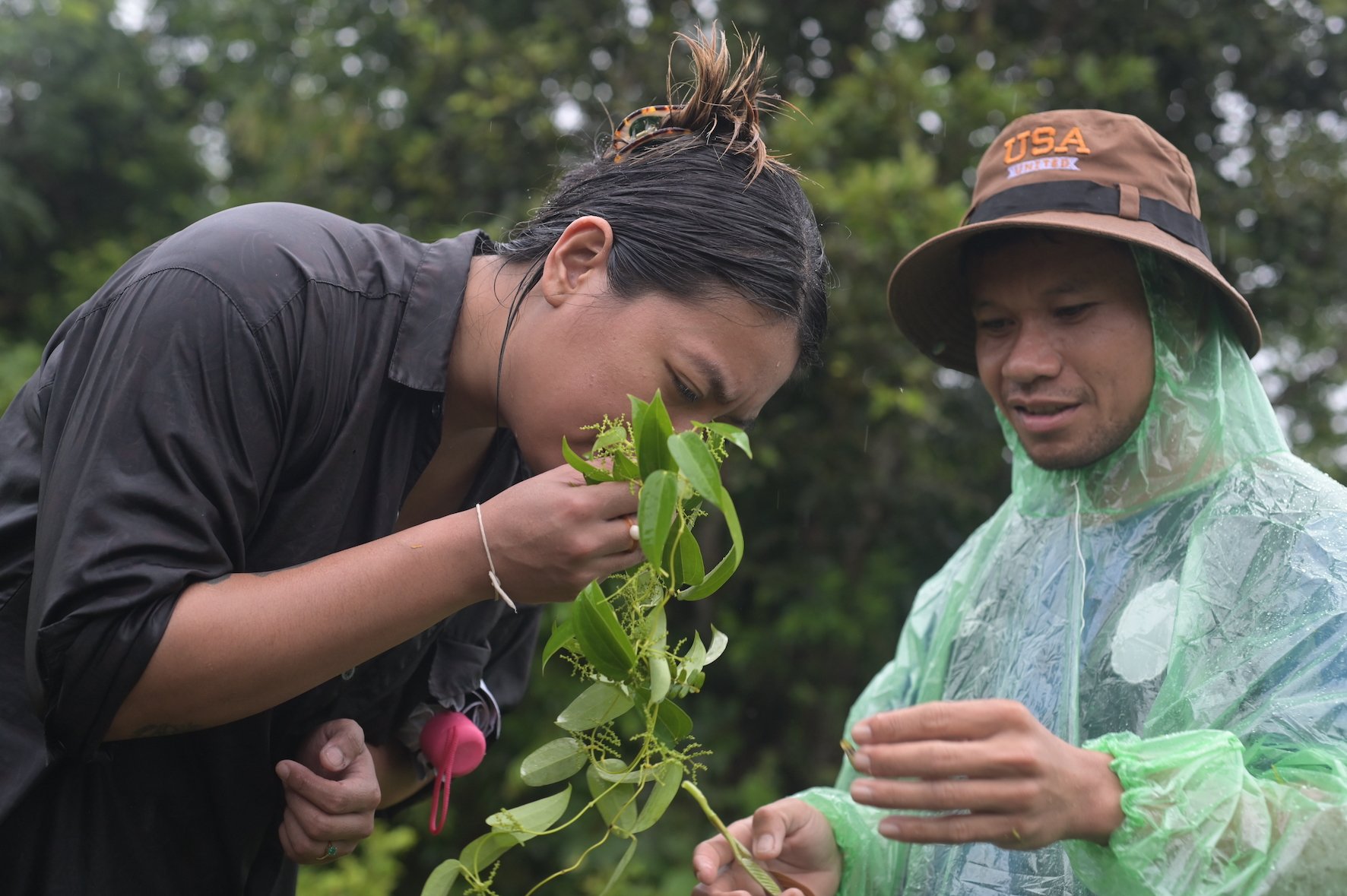
Kui Youth Group Activities
Miguel’s work explores the deeply interwoven tapestry of the spiritual beliefs, cultural practices, and historical experiences of the Kui Indigenous community in Kampong Thom and Preah Vihear provinces, while shining a light on their often silenced voices and supporting their leadership toward fairer environmental ethics and sustainability.
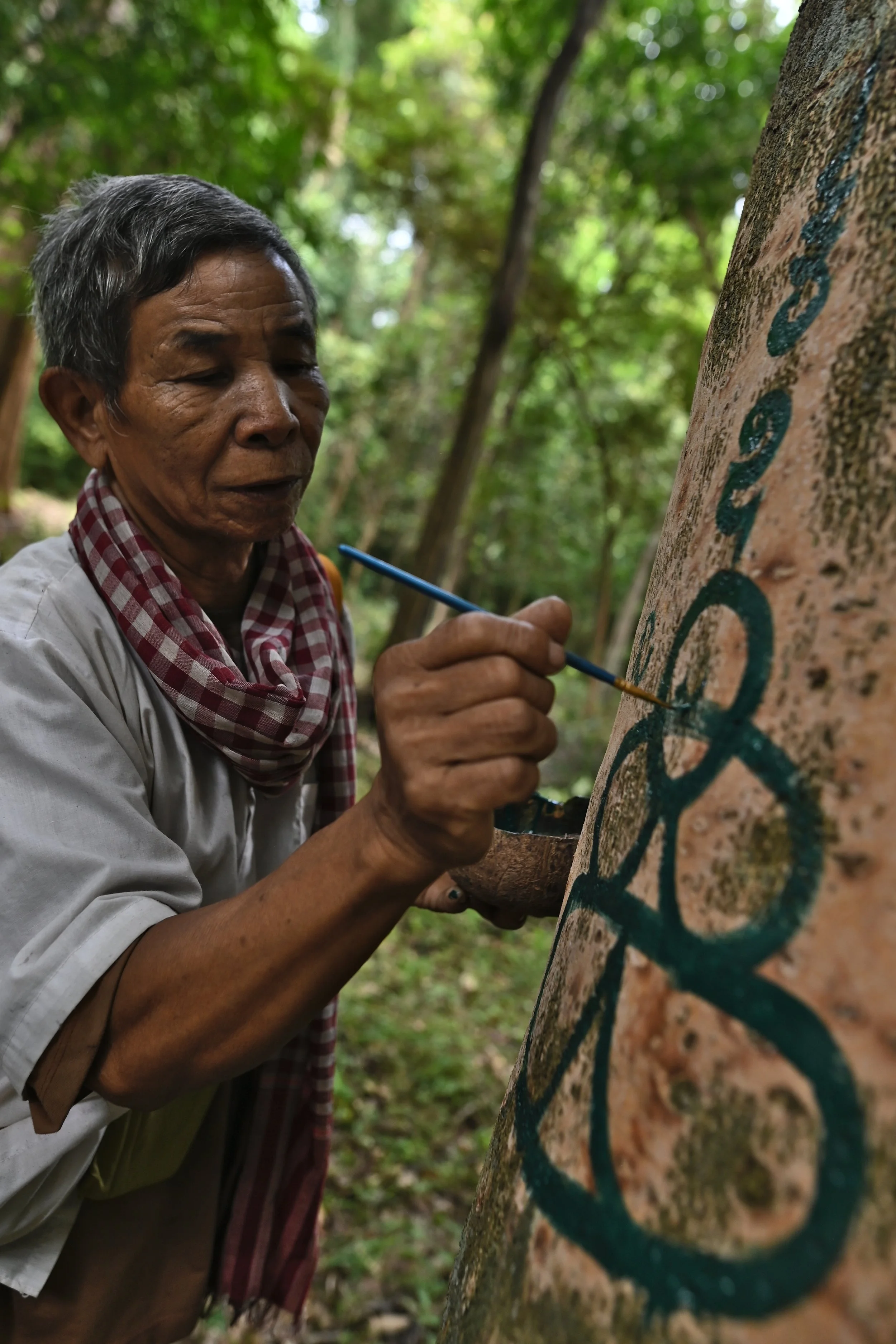
Kuipedia
Within this broader framework, activities with the Kui Youth Group included writing workshops on interviewing elders and documenting cultural heritage, content creation training, and capacity-building in website management, design, and illustration for Kuipedia - a community-led, crowdsourced digital library of Indigenous stories and knowledge launched alongside the exhibition. Learning camps connected youth from Phnom Penh with the Kui community to deepen understanding of forest stewardship and traditional ecological practices. Artists also participated in residencies and exchanges, fostering dialogue, collaboration, and mutual learning.

Donax grandis
Local names: Bemban
Bemban leaves are customarily used as rice wrappers when cooking food in bamboo, particularly due to its glossy and sturdy broad leaves. The surface area is enough to carry the weight of rice without leaking or tearing, most of the time. Once placed in the bamboo stalk, they would fill it with water and place the bamboo near a fire to cook the rice inside. There you have it, a natural rice cooker.
In a different setting in Kampung Pulau Kempas, the Temuan women mentioned that the ubik (rhizomes) is not only edible, but can also be mashed and made into cooling powder or as natural relievers for itchiness and skin blisters. In the olden days especially during war times, the Orang Asli women often made these during their free time.
“Bemban ini isi ubi dia, tumbuk-tumbuk boleh buat jadi bedak sejuk..”, Translation: The Bemban rhizomes can be mashed to make a cooling powder paste; casually explained by Lopo, a Temuan elder, over the verandah.
Refer to this video crafted by the Orang Asli youth on Bemban.

Phyllanthus amarus
Other names: Retmet (Semai), Dukung anak
Commonly mistaken with the Semalu, this small herb is extremely lightweight and the thin green branches bear two rows of oval-shaped leaves, usually accompanied with tiny green coloured fruits on the middle of the stem. He went on to explain that traditionally, the roots of the plant are boiled in a water bath and it can be used to treat jaundice in newborn babies.
“The wisdom of nature goes hand in hand with the Orang Asli’s worldview, as they navigate their lives exposed to the unforgiving tropical climate, witnessing growth and decay, changes in the landscape — even the slightest — giving birth to a pool of precise adaptation of indigenous knowledge which some may even be still hidden from scientific discovery.”
This is an excerpt from Syarifah Nadhirah’s project, Sights and Sounds. Go to www.syarifahnadhirah.com/sights-and-sounds to see more.
“Di lembah ini, memang banyak sumber makanan tapi makin susah nak cari sekarang,”
“There are plenty of food sources in this valley, but it is getting harder to find them nowadays.” - Raman


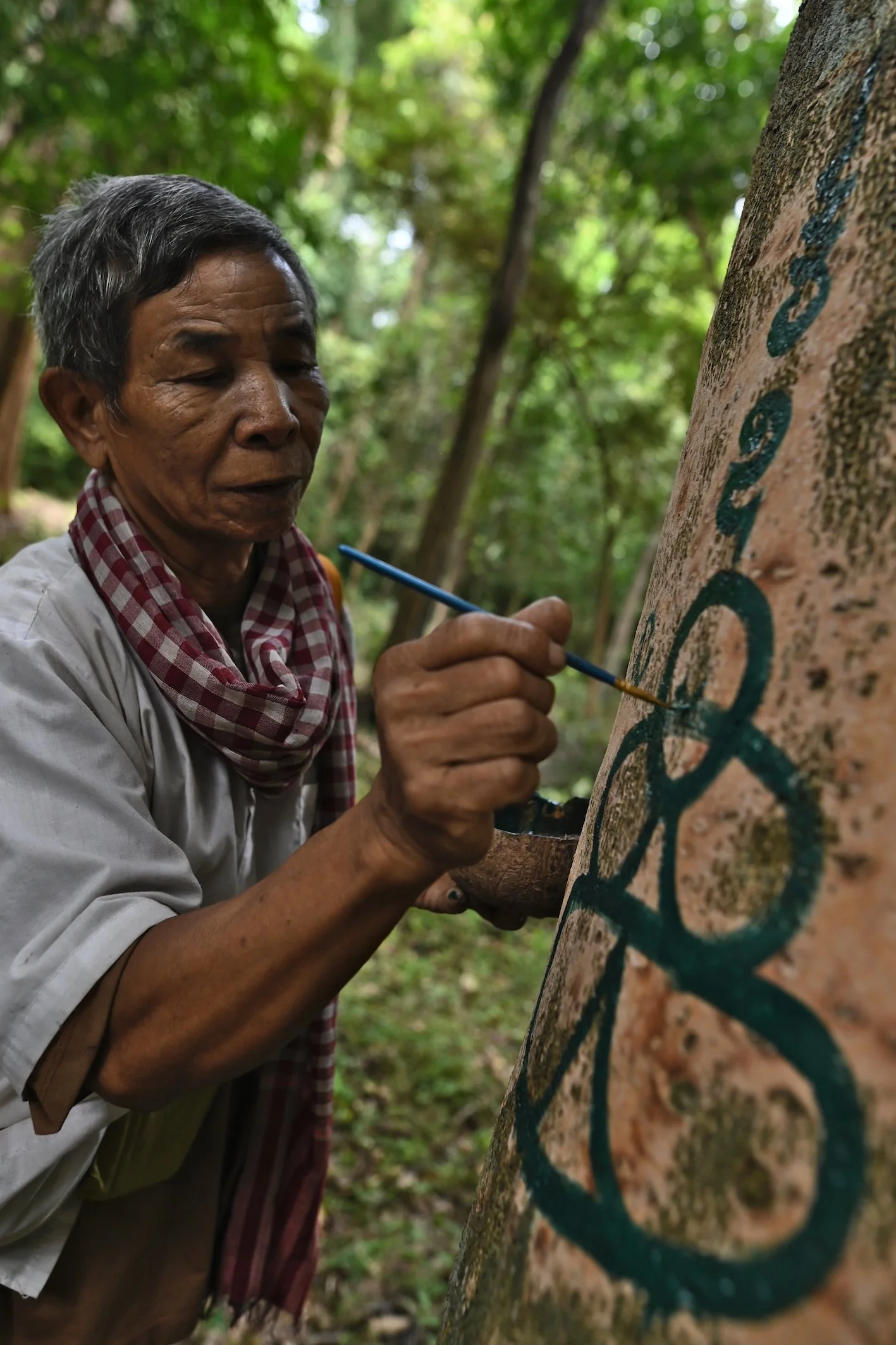
Kui Youth Group Activities
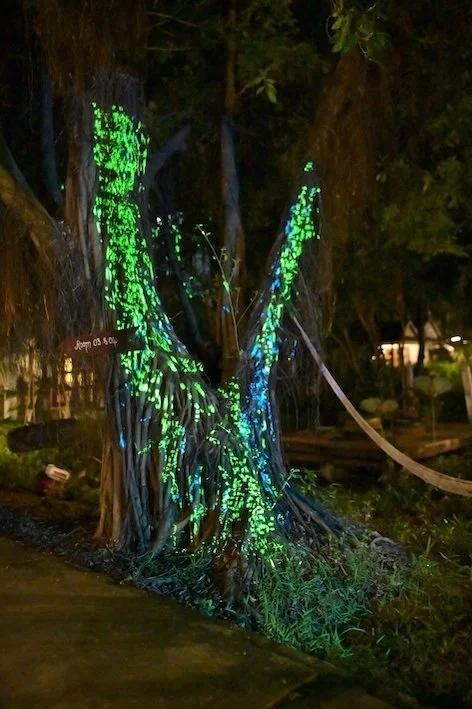
Miguel’s work explores the deeply interwoven tapestry of the spiritual beliefs, cultural practices, and historical experiences of the Kui Indigenous community in Kampong Thom and Preah Vihear provinces, while shining a light on their often silenced voices and supporting their leadership toward fairer environmental ethics and sustainability.

Within this broader framework, activities with the Kui Youth Group included writing workshops on interviewing elders and documenting cultural heritage, content creation training, and capacity-building in website management, design, and illustration. Kuipedia — a community-led, crowdsourced digital library of Indigenous stories and knowledge launched alongside the exhibition. Learning camps connected youth from Phnom Penh with the Kui community to deepen understanding of forest stewardship and traditional ecological practices. Artists also participated in residencies and exchanges, fostering dialogue, collaboration, and mutual learning.