ARTIST AND WILDLIFE CONSERVATIONIST

ARIJIT
CHATTERJEE
INDIA
Why We Care - Tales of Coexistence & Conservation
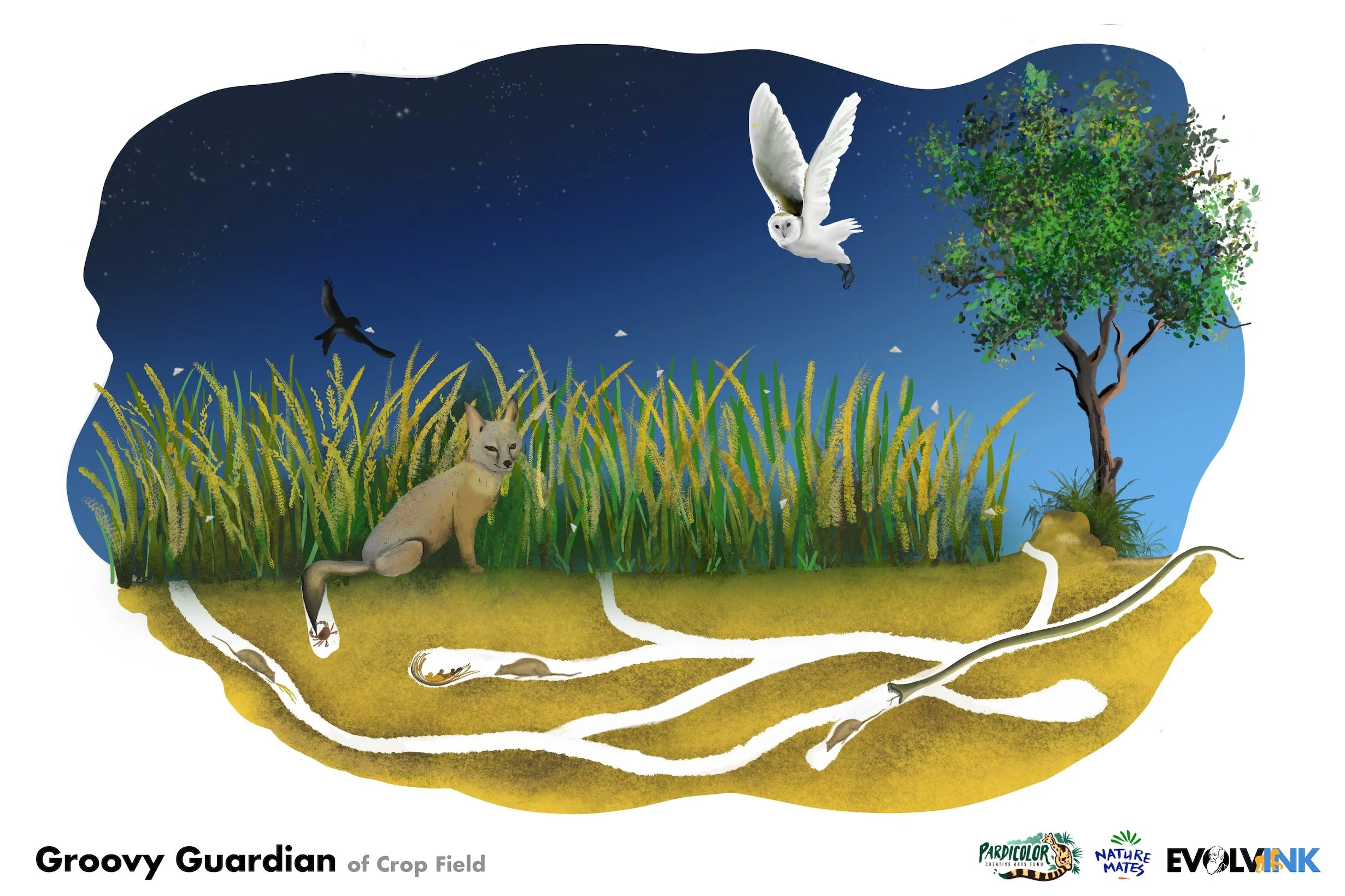
An illustrated anthology exploring traditional ecological values adopted by humans to protect nature. Through 10 unique stories of human-wildlife coexistence Arijit shares information about traditional conservation practices and brings attention to these important success stories.
Please hover over the images to learn more.

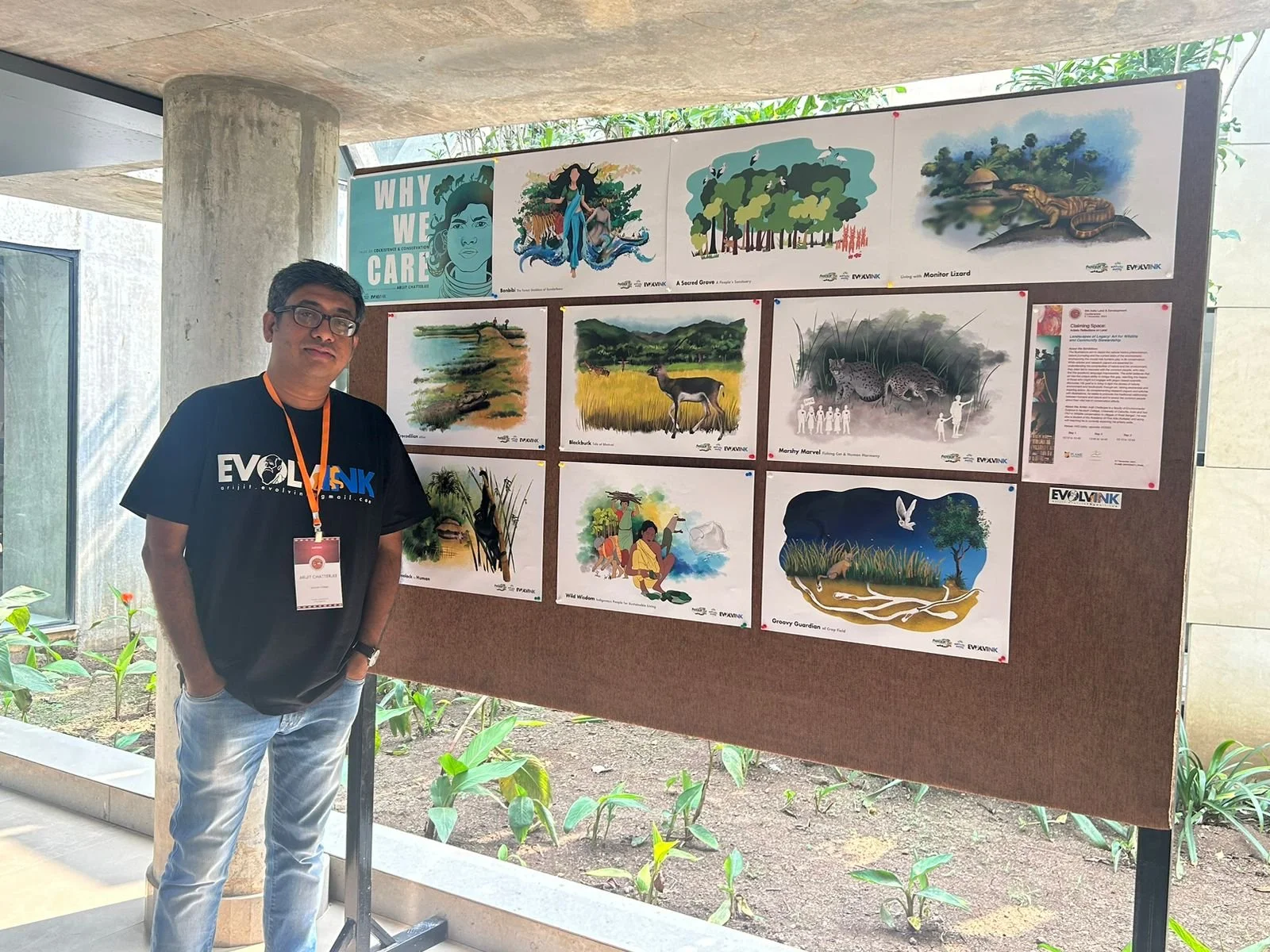

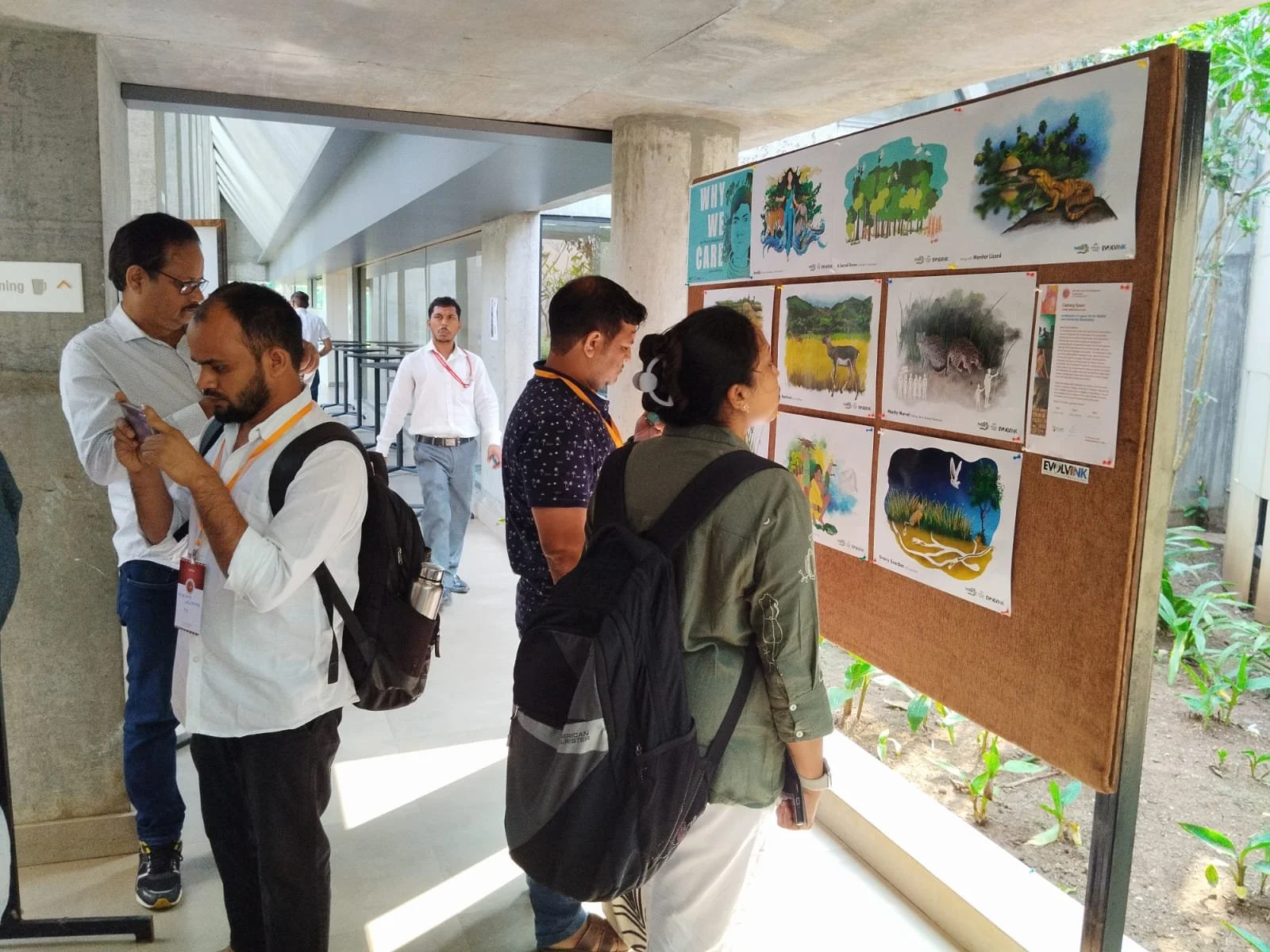
Arijit showcased ‘Coexistence and Conservation: A Forgotten Tradition Between Humans and Wildlife’ at the 8th India Land Development Conference at Flame University, Pune as part of the ‘Claiming Space: Artistic Reflections on Land’ exhibition. Over three days, 300+ visitors attended the exhibition with Arijit's live sketching sessions a major highlight.

“The presence of diverse wildlife species within human habitation, highlight the existence of specific alternative conservation strategies traditionally adopted by local communities, leading to a millennium-long coexistence between humans and wildlife.” - Arijit.
Beauty of Nature - An Evolutionary Truth
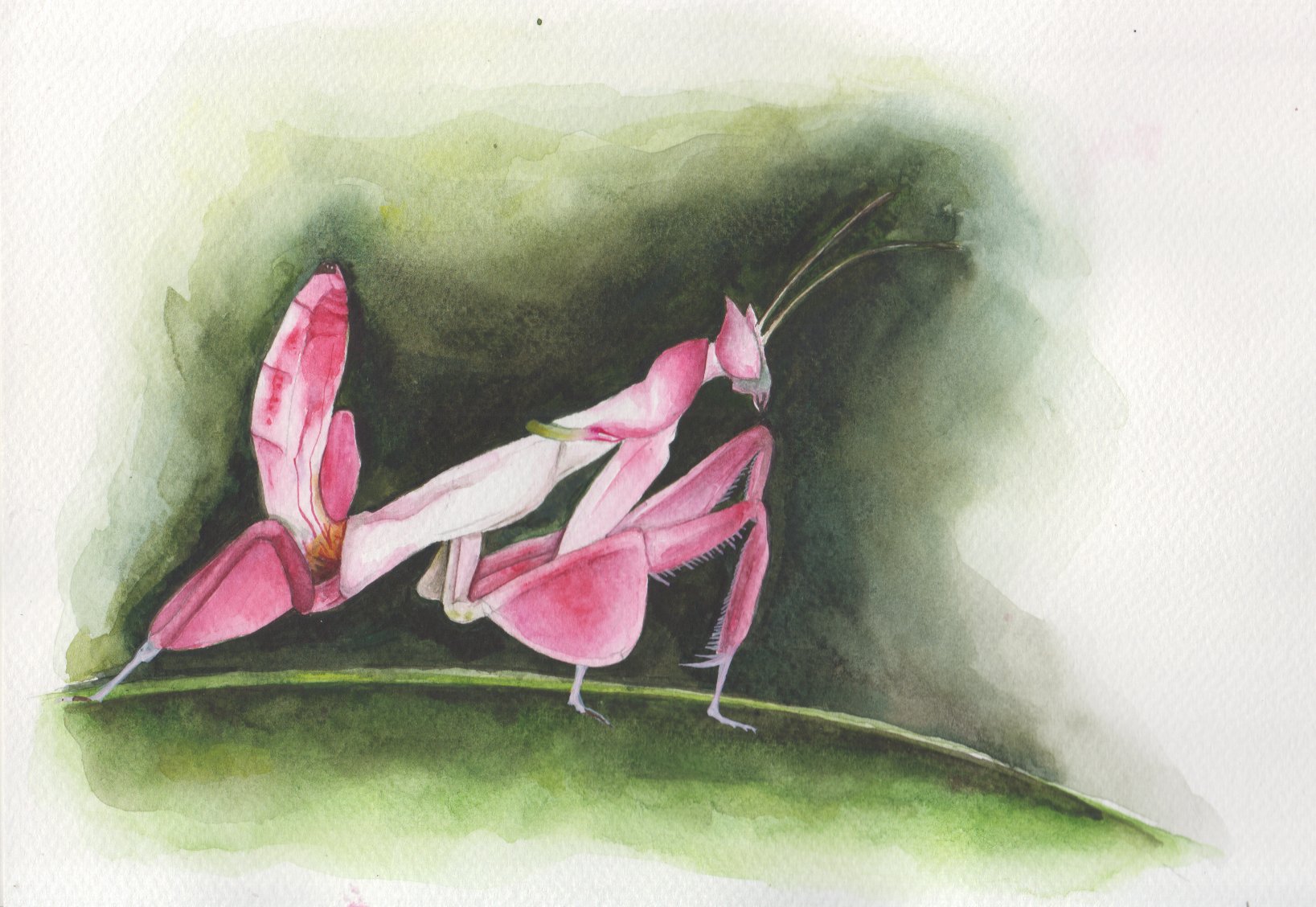
An illustrated anthology exploring the fusion of art and science. From vivid bioluminescence and elaborate dances, to impressive physical transformations and cryptic camouflage, this anthology details how the process of evolution has resulted in an abundance of awe inspiring beauty in nature.
INDIA
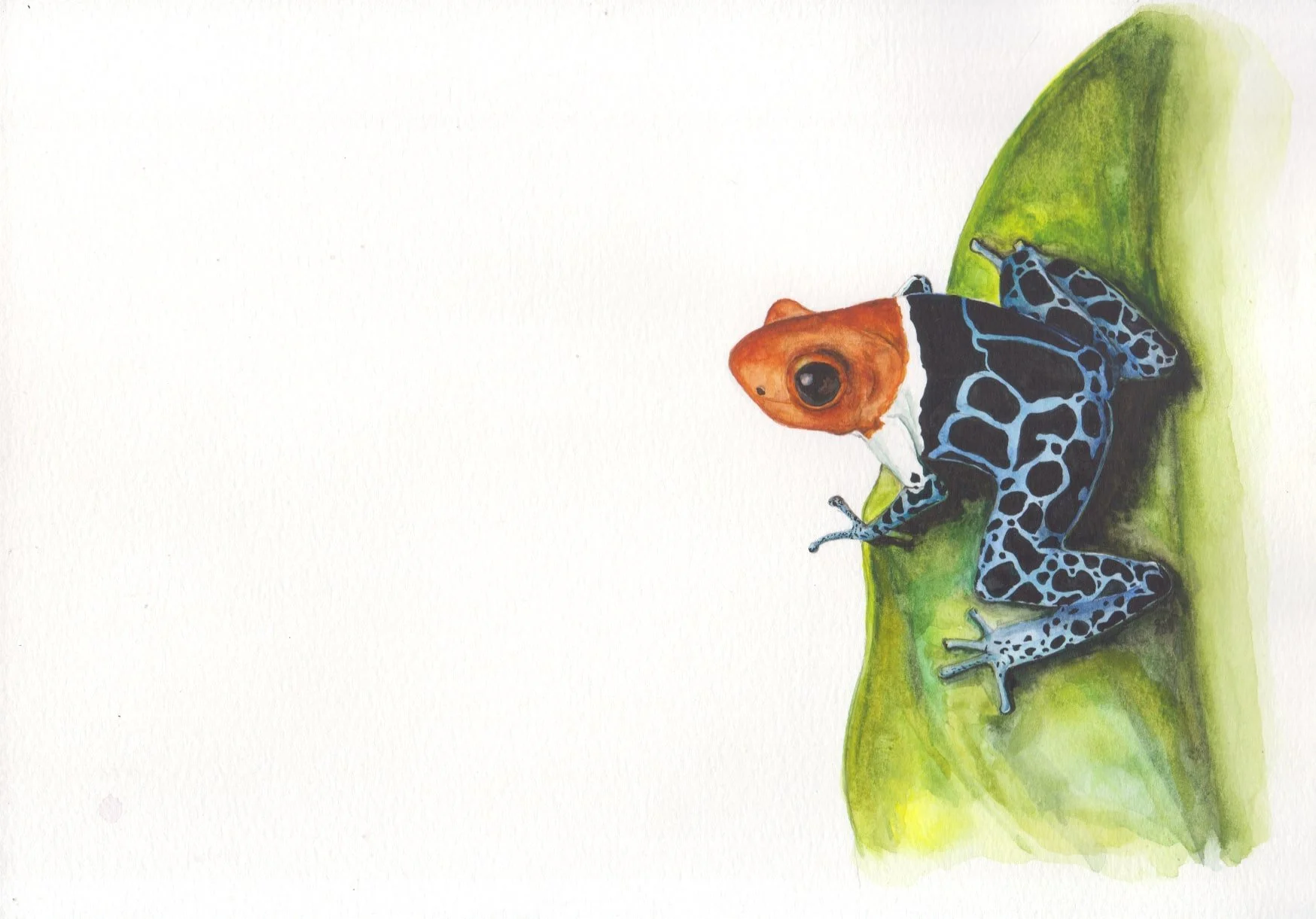

‘Beauty of Nature - An Evolutionary Truth’ is available to purchase on the Nature Mates website and was exhibited at the Calcutta International Book Fair.
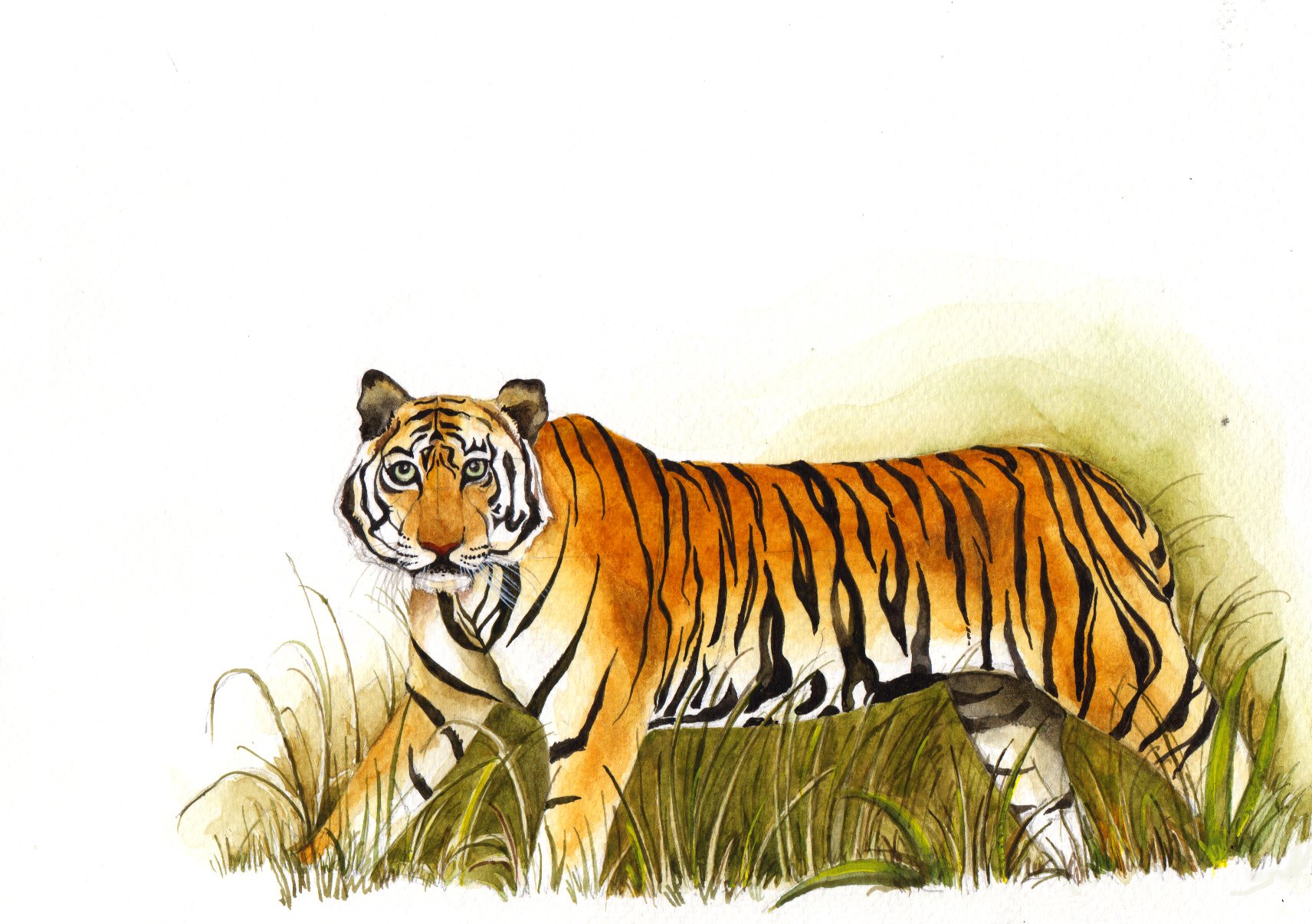
Each watercolour is accompanied by literature to detail how the process of evolution has resulted in an abundance of awe inspiring beauty in nature. From vivid bioluminescence and elaborate dances to impressive physical transformations and cryptic camouflage we start to understand that the key to these natural phenomena is evolution.
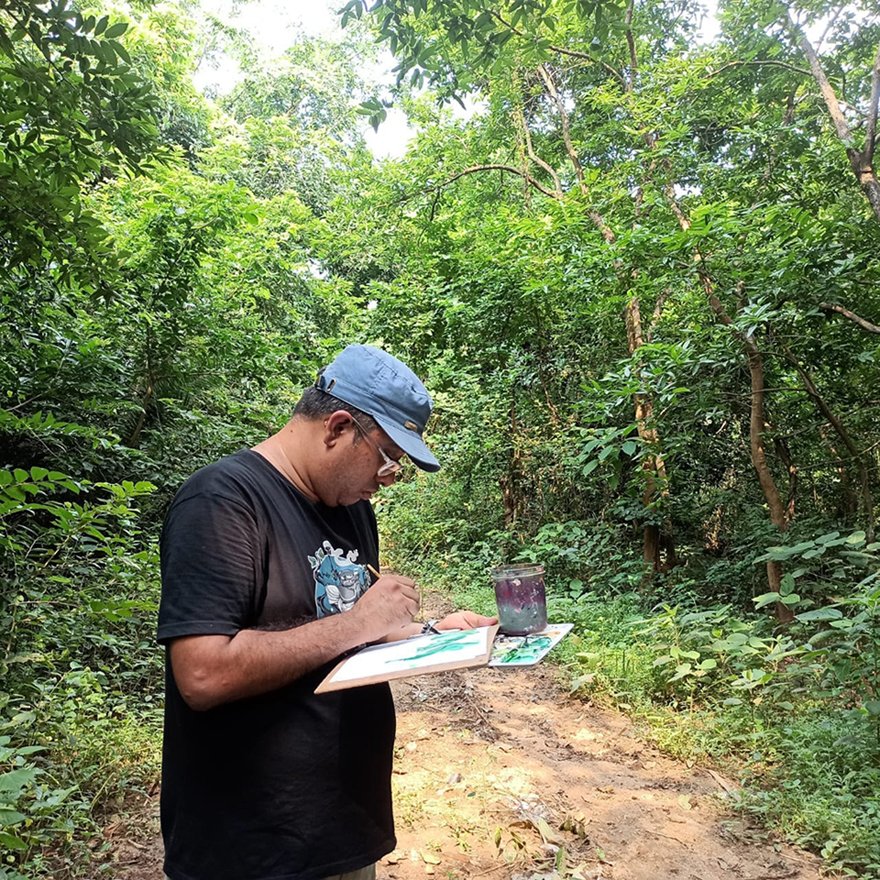

An artist embedded in scientific research, Arijit has a PhD in wildlife conservation. He is an avid researcher and has worked in the fields of ecology, wildlife, conservation and evolution for 15 years.